Many homeschooling days break because the adult keeps pushing after the useful learning is already over. The child is tired, the parent wants proof, and a small skill becomes a family battle.
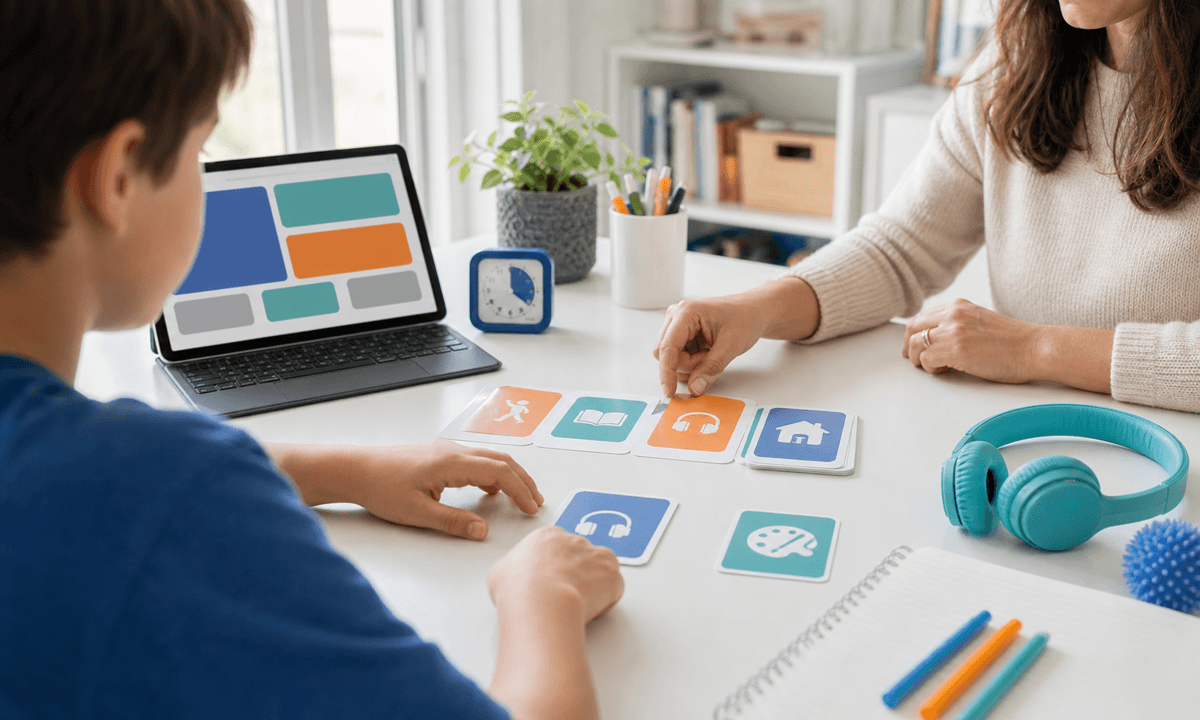
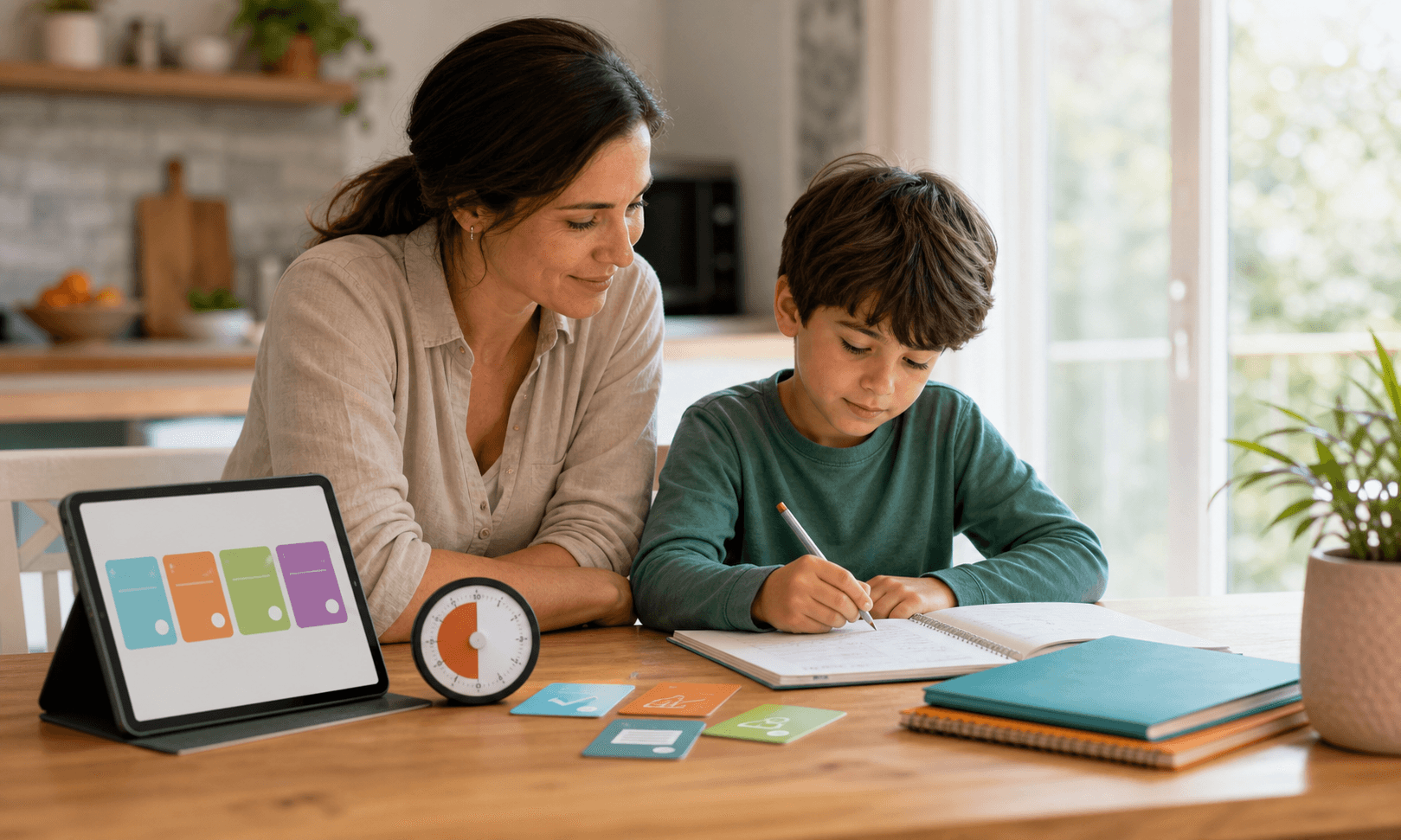
An 18-minute learning round works because it has a beginning, a middle, and an end. Start with one tiny review, do two or three focused tasks, let Sparky or another tutor moment give one useful hint, and stop with a short parent note.
The stop rule is the product value. Parents should hear: today is enough. If the child solved the target, explained the idea, or showed the misconception clearly, the app can save the proof and schedule the next review instead of asking for more worksheets.
This is especially important for ADHD learners, autistic children, twice-exceptional learners, anxious learners, and fast children who can look finished while still missing a foundation. A short round makes it easier to separate mastery from speed, fatigue from refusal, and real confusion from low energy.
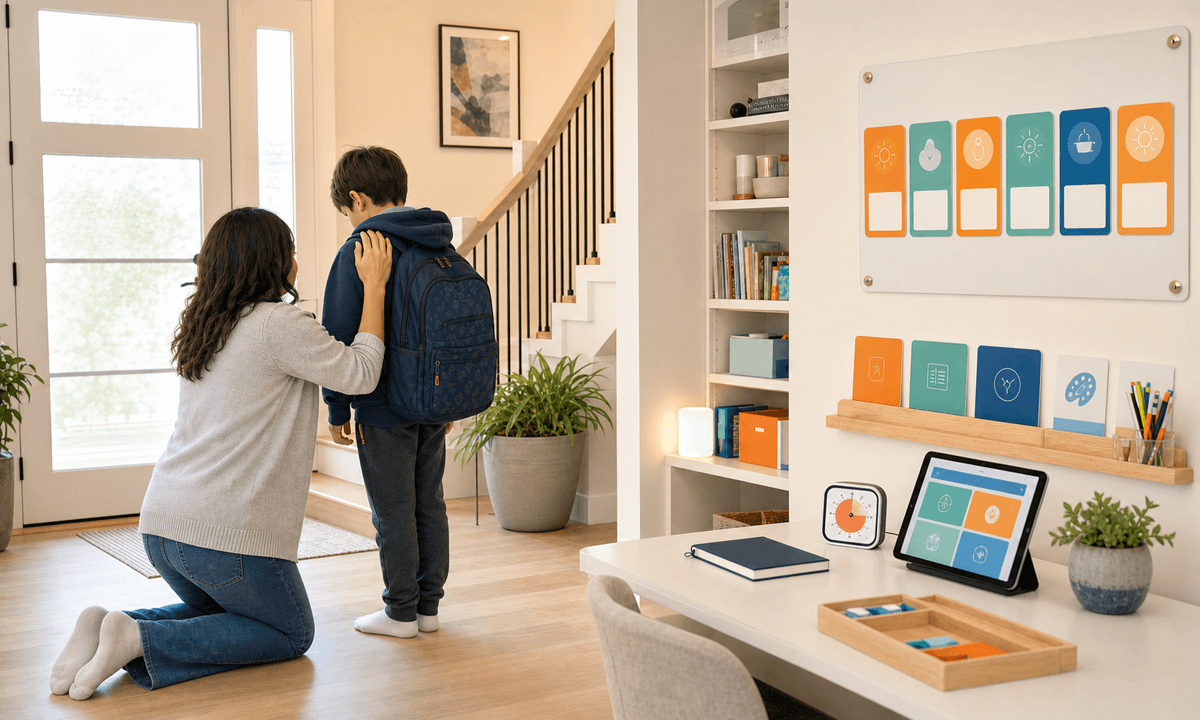
A good AI learning system should turn the round into tomorrow's decision: repeat in five days, use a smaller step, switch to an oral answer, add movement, or offer a challenge. That is more useful than a percentage score.
For parents, the hidden win is documentation. A simple note can say what was practiced, what is secure, what needs review, and what can go into the portfolio. Homeschooling feels lighter when the proof is captured during the learning loop.
SchoolQuest AI is designed around that promise: enough structure to protect primary-school progress, enough flexibility to respect the child in front of you, and enough evidence that parents do not have to rebuild the day afterwards.
Next decision
Turn a guide into a concrete family step
Choose the next route based on what you are deciding now: a first calm week, complete Grade 1-6 coverage, family fit before an invitation, or phone/tablet use for gifted/high-IQ, ADHD, autistic, 2e, and mixed-pace learners.
Start with one calm week
Use the starter guide when your family needs a practical rhythm for attention, confidence, sensory load, and different learning paces before changing everything.
Open starter guideCheck full primary coverage
Open the program map when you need to see how math, reading, writing, science, geography, projects, life skills, and portfolio evidence fit together.
Open program mapUse both apps as one family path
Use SchoolQuest AI for weekly rhythm, mastery checks, records, and parent review. Add Little AI Minds when core learning is done and a bigger creative AI project makes sense.
See the family bundle pathDecide whether SchoolQuest fits now
Review the fit signals families should understand before joining: High-IQ, ADHD, autism, 2e, mixed learning styles, boundaries, help rhythm, and what should be clear before any paid access.
Review family fitTry the app surface on devices
Use the install page when you want the learning area and parent view on a phone or tablet while articles, pricing, and legal information stay in the browser.
Open install guideAI Homeschooling Starter Guide
Get the starter guide
Join the guide list and we will use this interest signal to send the right next steps.